


One common worry during orthodontic care is noticing a tooth that feels different when you gently bite. You might wonder whether the tooth is shifting as planned or if something is wrong. When you wear braces, gentle pressure encourages new positions, so slight movement can feel unfamiliar. Many people are surprised to learn how natural this sensation is, particularly when teeth move along the jaw toward healthier alignment. You may also be curious about when you should speak with your dentist and when simple observation is enough.
Why Teeth May Feel Loose During Braces
Teeth loosen slightly as they shift into new positions. This process relies on your body, tissues, and bones working together to support change. You might notice that one side feels different from the other or that a tooth is a bit wobbly when your bite settles. These sensations create understandable questions about dental health and stability during orthodontic treatment. This response reflects controlled tooth movement, which is planned and monitored throughout care.
How Natural Movement Creates Temporary Mobility
 Tooth mobility occurs because traditional braces work through measured pressure along the teeth. This pressure signals the body to remodel bone so teeth can move into new positions. During this adaptive period, the space around the roots softens as new bone forms behind them. This causes a slightly loose sensation.
Most permanent teeth experience this temporary looseness; once movement settles and bone rebuilds, the teeth tighten again. The feeling is generally a normal part of orthodontic change and settles as stability returns.
When Gum or Bone Support Becomes Overloaded
Occasionally, the gums or bone may feel overwhelmed by movement, especially if inflammation is present.
Possible contributing changes include:
- Heightened sensitivity: Inflammation near tissues can amplify loose sensations.
- Reduced bone support: Local bone may soften more than expected before it rebuilds.
- Food or plaque buildup: When you don’t keep your teeth clean around braces, irritation can increase movement.
This experience often improves once gum tissue regains balance and pressure eases slightly. When inflammation persists, there may be an increased risk of prolonged discomfort that needs review.
Injury History and Sensitivity Around Brackets
Some teeth respond differently to pressure based on earlier trauma. A tooth that was bumped or fractured years ago may feel looser than nearby teeth during braces treatment.
Brackets and wires simply guide movements; however, past injuries can change how a tooth reacts. If discomfort escalates into ongoing pain, it is worth mentioning so your dentist can assess the response carefully.
Baby Teeth Versus Adult Teeth During Orthodontic Change
Baby tooth mobility can feel more noticeable, especially if it coincides with an orthodontic adjustment. Because baby teeth naturally loosen as permanent teeth emerge, braces can occasionally speed up this timing.
Adult teeth behave differently. When an adult tooth feels loose with braces, it usually relates to gentle pressure rather than natural tooth shedding. Once the bone rebuilds around the root, the tooth stabilises as alignment improves and teeth become straighter over time.
What You Can Do If a Tooth Feels Loose
When a tooth feels loose during braces, it helps to understand what to watch for and how simple steps can support comfort. Small changes in routine improve how gums and teeth respond to movement, and early guidance keeps treatment in a healthy rhythm.
When to Contact Your Dentist and What to Expect
If a tooth feels loose and does not improve after a short time, contact your dentist immediately. They may review the tooth, gums, and overall movement pattern.
Sometimes, a tooth only feels loose because pressure is concentrated on one side, and adjustments can fix that quickly. In other cases, X-rays help show whether the area is healthy and whether signs of infection are present.
Short-Term Relief Methods at Home
 Below are simple measures that may help settle discomfort and keep the tooth supported.
- Gently use the opposite side when chewing: This helps reduce pressure while tissues settle.
- Eat soft foods: A softer diet reduces strain if the area feels sensitive.
- Rinse with warm salt water: This soothes irritated gums without harsh products.
These steps combine well with regular dental check-ups, so your dentist can monitor tooth mobility as part of orthodontics. If your treatment includes rubber bands, following wear instructions closely also helps distribute force more evenly.
Keeping Teeth Clean to Support Stability
Good oral hygiene supports gum health, which helps teeth feel steadier during movement. When plaque builds up around braces, gums can become irritated and contribute to tooth mobility. Regular brushing and flossing help calm these tissues so they remain supportive.
A gentle rhythm develops here, where clean surfaces encourage comfortable movement and healthier responses to pressure. Maintaining cleanliness supports the goal of having teeth straightened without unnecessary irritation.
How Treatment Adjustments Can Help Rebalance Movement
Sometimes, tooth mobility happens when the force is slightly stronger on one side of the mouth. Small treatment adjustments can help rebalance movement so teeth can settle more comfortably.
Your dentist may reposition a bracket or adjust the wire to influence the direction of pressure. These changes can also help reduce emerging bite issues while maintaining steady progress.
When Underlying Gum Problems Need Attention
Gum disease may be present before orthodontic care begins, or it may develop during treatment. When gums weaken, teeth may loosen more noticeably. Here are situations where gum problems might be involved:
- Bleeding when brushing: Gums struggle to tolerate routine cleaning.
- Lingering discomfort: A single area feels tender for more than a few days.
- Gum recession: The tooth looks longer because tissue has receded.
If these appear, your dentist may recommend reviewing gum health before continuing movement. Supporting gum stability helps braces achieve better outcomes.
Take Confident Steps if a Tooth Feels Loose
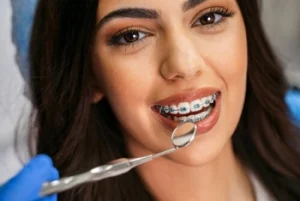 A loose tooth with braces encourages thoughtful care and timely guidance.
- Notice whether movement changes after adjustments: A tooth may feel loose immediately after tightening because tissues are adapting.
- Watch for gum symptoms: If swelling or bleeding continues, gum care may be required.
- Rest pressure for a while: Choosing softer bites can calm irritated areas.
You are not alone if a tooth feels loose during braces treatment. Most looseness is temporary and part of healthy movement. Staying attentive to changes, keeping teeth clean, and speaking with your dentist when unsure helps protect long-term oral health.
Move Forward With a Supportive Approach
Many patients ask what happens if you have a loose tooth with braces, and most find reassurance once they understand how movement creates temporary looseness. Staying aware of changes, keeping up with hygiene, and reviewing concerns early helps maintain a healthy smile during orthodontics. If something feels unusual or a tooth does not settle, our dentist can check your mouth and offer advice to keep treatment moving comfortably.
We welcome you to reach out if you would like a personalised review of your braces care. Please call us on (07) 3186 8517 to arrange a visit and discuss concerns.
References
https://www.mayoclinic.org/braces/img-20007702
https://www.healthdirect.gov.au/dental-braces-and-retainers



When it comes to achieving a perfectly aligned and radiant smile, Invisalign has emerged as a popular choice for many Read more

Noticing a change in your smile can be exciting, especially when it happens gradually. Invisalign before and after results highlight Read more