


Porcelain veneers are thin, custom-made shells bonded to the front surface of teeth to address cosmetic concerns such as discolouration, chipping, gaps, and uneven shape. If you’ve been researching ways to change the appearance of your teeth, porcelain and composite veneers are one option worth understanding in detail before any appointment.
Understanding what veneers actually involve, who they may suit, and what influences how they last is worth doing before any appointment. The sections below outline the key benefits of dental veneers, how porcelain and composite options compare, and what care looks like over time.
Quick Overview
- Dental veneers are thin porcelain or composite resin covers bonded to the front surface of natural teeth to improve their appearance
- People with cosmetic concerns such as staining, chips, gaps, or misshapen teeth who have healthy gums and sufficient tooth enamel may be considered suitable candidates
- Veneers may help with covering discolouration, evening out tooth shape, reducing the appearance of gaps, and addressing worn or chipped teeth
- Material type, oral hygiene habits, clenching or grinding, and the condition of the underlying teeth all affect how veneers perform over time
- A dental assessment is needed to determine whether veneers are appropriate for your individual situation
Keep reading to understand the benefits, limitations, and care requirements in full.
What Are the Benefits of Dental Veneers?
Dental veneers address a range of cosmetic concerns that other treatments may not fully resolve. Porcelain options can significantly improve tooth appearance, tending to look more realistic and last longer than resin alternatives.
The main cosmetic benefits include:
- Discolouration: Veneers cover staining from food, beverages, or medication that has not responded well to teeth whitening
- Chipped or worn teeth: Thin shells restore the visual profile of teeth that have worn down or fractured at the edges
- Gaps between teeth: Veneers can reduce the appearance of minor spacing without orthodontic treatment in some cases
- Misshapen teeth: Teeth that are uneven, small, or irregularly formed can be covered to create a more uniform look
- Multiple concerns at once: Unlike teeth whitening or orthodontics, veneers can address several cosmetic issues in a single treatment
Individual outcomes vary depending on the condition of the teeth being treated, the material chosen, and the skill with which veneers are placed and bonded.
Porcelain Veneers vs Composite Veneers: What Is the Difference?
Two main types of veneer material are used in Australian dental practices: porcelain (ceramic) and composite resin. Each has different characteristics, and the right choice depends on your specific situation.
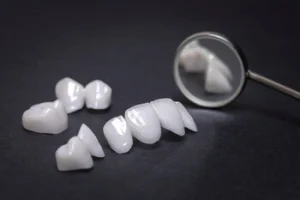 Porcelain veneers are custom-made in a dental laboratory from ceramic material. They are known for their natural translucency, which allows them to reflect light in a way that closely resembles natural tooth enamel. Porcelain is also more resistant to staining than composite resin, and these restorations can be durable when bonded to healthy enamel.
Composite resin veneers are applied directly to the tooth surface in a single appointment. They tend to cost less than porcelain and require minimal preparation, but they are generally less resistant to staining and may need maintenance or replacement sooner.
Both options require healthy gums and sufficient tooth structure for veneer placement. Your dentist will assess your oral health before recommending which material may be more appropriate.
How Long Can Porcelain Veneers Last?
A 2021 systematic review published in the Journal of Clinical Medicine, which included 25 studies and 6,500 porcelain laminate veneers, found a 10-year estimated cumulative survival rate of approximately 95.5%. The main reasons for failure were fracture and debonding.
These figures relate to clinical conditions and study populations that may differ from individual circumstances. How long veneers last in practice is shaped by several patient-specific factors, which are covered in the next section.
What Affects How Long Veneers Last?
Several factors influence how dental veneers perform over time. Understanding these is important when weighing whether veneers may suit your situation.
Teeth grinding and clenching (bruxism): Bruxism places significant stress on veneers and is associated with a higher risk of fracture. If you grind your teeth, your dentist will want to assess whether veneers are appropriate and may discuss a protective night guard.
Underlying tooth health: Veneers placed over teeth with active decay or gum disease are more likely to fail. Veneers may not suit everyone, particularly those with gum disease or significant structural damage to the underlying tooth.
Oral hygiene: The natural tooth beneath a veneer can still develop decay. Gum tissue around the veneer margin is also at risk if plaque is not removed consistently.
Bonding to enamel: Veneers perform best when bonded to natural enamel rather than existing restorations. The amount of enamel available affects both the fit and the long-term stability of the veneer.
Material choice: Porcelain is more durable and stain-resistant than composite resin, but both materials will eventually need replacement.
How to Care for Dental Veneers
Veneers do not require a dramatically different routine from regular dental care, but some habits matter more once veneers are in place.
The Australian Dental Association notes that veneers require ongoing careful maintenance to last as long as possible, and that the underlying teeth can still be damaged by decay. 
- Use a soft-bristled toothbrush with non-abrasive toothpaste to avoid scratching the veneer surface
- Floss daily around the veneer margins to keep the gum tissue healthy
- Limit coffee, tea, and red wine where possible, as these can discolour the cement line and adjacent tooth structure
- Avoid using teeth as tools (opening packaging, biting nails), as this places undue force on veneers
- Attend regular dental check-ups so your dentist can assess the condition of veneers over time, alongside your broader oral health
If you clench or grind your teeth, discuss this with your dentist before veneer placement and at subsequent appointments.
A Considered Approach to Veneers
Dental veneers can address a range of cosmetic concerns that affect the appearance of your teeth, and evidence supports their durability when placed on healthy enamel with appropriate care. At the same time, they are a clinical decision that warrants a thorough assessment of your oral health, habits, and longer-term expectations.
If you’d like to explore whether veneers may be a suitable option for your teeth, the team at Total Care Dental Studio welcomes you to call (07) 3186 8517.
Note: Any surgical or invasive procedure carries risks. Before proceeding, you should seek a second opinion from an appropriately qualified health practitioner.
Frequently Asked Questions
Are dental veneers suitable for everyone?
Veneers are not suitable for all patients. They may not be recommended if you have active gum disease, tooth decay, significant enamel loss, or a strong teeth-grinding habit. A dental assessment is needed to determine whether veneers are clinically appropriate for your situation or whether another option may be more suitable.
Do dental veneers damage natural teeth?
Placing veneers typically involves removing a small amount of enamel from the front surface of the tooth to allow the veneer to sit flush. This means the process is generally not reversible. The underlying tooth structure remains, but it has been prepared to accept the veneer. Maintaining good oral hygiene helps protect the tooth beneath.
References
Healthdirect Australia. (2025). ‘Veneers’. Healthdirect Australia, 17 June. Sydney, NSW: Healthdirect Australia. https://www.healthdirect.gov.au/veneers
Chrcanovic, B.R., Sivac, A., Sarac, Z., and Braut, A. (2021). ‘Long-Term Survival and Complication Rates of Porcelain Laminate Veneers in Clinical Studies: A Systematic Review’. Journal of Clinical Medicine, 5 March. Basel, Switzerland: MDPI. https://www.mdpi.com/2077-0383/10/5/1074
Australian Dental Association. (n.d.). ‘Crowns, Bridges and Veneers’. Teeth.org.au. Sydney, NSW: Australian Dental Association. https://teeth.org.au/crowns-bridges-and-veneers




When it comes to enhancing your smile, veneers are often the go-to choice for people seeking a stunning and long-lasting Read more