


Teeth straightening raises a lot of questions, and one of the most common is how aligners and retainers differ. Both sit over your teeth, both are made from clear plastic in many cases, and both play a role in orthodontic treatment, but they serve completely different purposes. Knowing the distinction can help you understand your treatment plan and what to expect at each stage.
Each device belongs to a different phase of the process. Clear aligners are used to gradually shift teeth into position during the active phase of treatment, while retainers are worn afterwards to hold teeth where they have moved to. Getting that phase wrong (for instance, using the wrong appliance at the wrong time) can affect how well your results hold over the long term.
Quick Overview
- Clear aligners are removable trays that gradually shift teeth during active orthodontic treatment; retainers are devices worn after treatment to hold teeth in their new position
- This distinction may apply to anyone partway through or recently finished with a teeth-straightening plan, or planning to start one
- Aligners apply controlled pressure over a series of trays; retainers (removable or fixed) maintain alignment once the final tray is complete
- Wearing time, compliance, and the type of retainer recommended all affect long-term stability; individual results vary
- A clinical assessment helps determine which appliance is appropriate and at which stage
Below, we explain how each device works, the different types available, and what long-term retention involves.
What Is the Difference Between Aligners and Retainers?
Aligners move teeth. Retainers hold them in place once movement is complete.
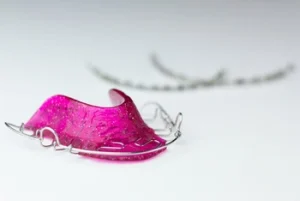 Clear aligners are custom-made transparent plastic trays worn in sequence. Each tray is slightly different from the last, applying gentle, controlled pressure to guide teeth gradually toward their target positions. Aligners are worn all day except when eating or drinking, and treatment typically spans one to three years depending on the complexity of the case.
Retainers, on the other hand, are passive appliances. They do not move teeth. Their job is to hold teeth in their final positions after active treatment ends, giving the surrounding bone and periodontal ligament time to stabilise around the new tooth positions.
Both devices look similar. Both are made from clear plastic in many cases. But they are built differently, worn differently, and serve opposite functions within the same treatment journey.
What Affects Long-Term Alignment After Treatment?
Several factors influence how well teeth stay in position after orthodontic treatment is complete.
- Retainer wear consistency: Teeth can shift relatively quickly if a retainer is not worn as directed. Most dentists recommend nightly wear long-term, not just for the first few months.
- Retainer type and fit: A retainer that no longer fits properly should be replaced promptly rather than forced back in. Poorly fitting retainers can cause unwanted movement rather than preventing it.
- Ongoing natural growth: Jaws continue to change into adulthood. Some degree of tooth movement over time reflects natural growth, not just treatment relapse.
- Oral hygiene: Both aligners and retainers should be cleaned regularly. Buildup of bacteria on the plastic material can affect both the device and the teeth beneath it.
- Regular dental reviews: Your dentist can identify early signs of shifting and recommend adjustments before more significant changes occur.
How to Care for Aligners and Retainers
Maintaining good oral hygiene throughout any orthodontic treatment is important for protecting both the appliance and the teeth beneath it. Brushing and cleaning between teeth during clear aligner or brace treatment should be part of a consistent daily routine. Both aligners and retainers require regular cleaning to prevent plaque buildup.
For aligners: rinse when removed, clean gently with a soft brush and water each day, and avoid leaving them exposed to heat, which can distort the plastic material. Soaking in a diluted cleaning solution or using a soft brush with water is generally recommended; avoid abrasive pastes, which can scratch the plastic.
For removable retainers: clean daily as you would your teeth. Avoid soaking in mouthwash containing alcohol, which can degrade the plastic over time.
For fixed retainers: use a floss threader or interdental brush daily to clean around and beneath the wire. Your dentist can demonstrate the correct technique at your next visit.
Store removable appliances in a protective case when not in use. Lost or damaged retainers should be replaced promptly to prevent unwanted tooth movement.
 A Considered Approach to Orthodontic Care
 A Considered Approach to Orthodontic Care
Aligners and retainers are different tools for different stages of the same process. Aligners do the work of moving teeth; retainers do the work of keeping them there. Understanding both, and wearing each as directed, is central to achieving results that hold over time.
If you would like to explore whether clear aligner therapy or a post-treatment retainer option may be suitable for your situation, you are welcome to call Total Care Dental Studio on (07) 3186 8517 or book an appointment online.
Frequently Asked Questions
Can I use my old aligners as a retainer after treatment finishes?
Aligners are made from thinner, more flexible plastic designed for short-term use and frequent replacement. They are not built to withstand the long-term wear that retainers require, and a worn-out or distorted aligner will not hold teeth in position reliably. Your dentist will fit a purpose-made retainer at the end of your active treatment.
How long do I need to wear a retainer after aligners?
Most dentists recommend wearing a retainer nightly on an ongoing basis, not just for the first year or two after treatment. Teeth can shift throughout adult life due to natural growth and ageing, and consistent retainer use reduces that risk. Your dentist will advise on the schedule that suits your situation.
References
Healthdirect Australia. (2025). ‘Dental braces and retainers’. Healthdirect Australia, February. Canberra, ACT: Australian Government. https://www.healthdirect.gov.au/dental-braces-and-retainers
Australian Dental Association. (n.d.). ‘Teeth straightening and braces’. teeth.org.au. Sydney, NSW: Australian Dental Association. https://www.teeth.org.au/teeth-straightening-and-braces



When it comes to achieving a perfectly aligned and radiant smile, Invisalign has emerged as a popular choice for many Read more

Noticing a change in your smile can be exciting, especially when it happens gradually. Invisalign before and after results highlight Read more