When a tooth has a cavity, it needs to be repaired to stop further decay and restore normal function. Dental fillings are one of the most common ways a dentist addresses this, and choosing the right filling material can feel confusing when you’re not sure what the options are or what each one involves.
The types of dental fillings available today vary in material, appearance, durability, and cost. Each has its own strengths, and selecting the right one is part of general dental assessment and care, taking into account where the tooth sits in the mouth, the size of the cavity, and your individual dental health needs.
Quick Overview
- Dental fillings are used to repair teeth damaged by decay, fracture, or wear, and several different materials are available
- Filling type may matter more for some patients than others, depending on tooth location, cavity size, and oral health history
- Materials range from tooth-coloured options like composite resin and glass ionomer to more durable options like gold, each with different properties
- How long a filling lasts and how well it performs can vary between individuals and depends on the material chosen and how the tooth is cared for
- A dental assessment is needed to determine which filling material is most appropriate for your tooth
Below, we explain each filling type, when it is typically used, and what influences the decision your dentist makes.
What Are Dental Fillings Used For?
Dental fillings replace natural tooth structure that has been damaged or lost. They are most commonly used to treat tooth decay, but a dentist may also use a filling to repair a chipped or fractured tooth, or to replace an older filling that has worn down over time.
The procedure typically begins with a local anaesthetic to numb the area around the tooth. The dentist then removes the damaged or decayed portion of the tooth and cleans the cavity before placing the filling material. The process varies slightly depending on the type of filling used.
What Are the Main Types of Dental Fillings?
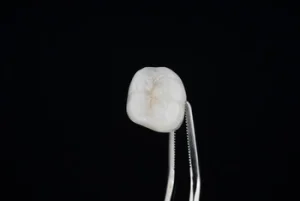 There are several filling materials in common use, and each suits different clinical situations. The most common types of dental fillings include amalgam, composite resin, and glass ionomer. Gold and porcelain fillings are also available, though they are less commonly placed.
Amalgam fillings are silver in colour and made from a combination of mercury, silver, copper, zinc, and tin. Dentists have used this material for over 150 years. Amalgam is strong and durable, particularly for back teeth that take the force of chewing. One consideration is that placing an amalgam filling requires more tooth structure to be removed compared to tooth-coloured materials, because amalgam does not bond to the tooth surface the way composite resin does. Its use has declined in recent years, and some dentists do not offer it at all.
Composite resin fillings are tooth-coloured and can be closely matched to the shade of surrounding teeth. Because composite resin bonds directly to the tooth surface, less drilling is generally needed to prepare the cavity. This material suits front and back teeth and is widely used in current dental practice. Composite resin fillings tend to cost more than amalgam and may need replacement sooner, particularly in areas of heavy chewing.
Glass ionomer cement (GIC) is also tooth-coloured, though it is generally not as strong as composite resin. It contains fluoride, which it releases slowly into the surrounding tooth structure, and may help protect against further decay in some cases. Glass ionomer is often used for small cavities, root surface fillings, fillings in children’s teeth, and as a temporary filling material.
Gold fillings are made at a dental laboratory and bonded into the prepared cavity. Gold is highly durable and well tolerated by gum tissue. Because they are made off-site, gold fillings require at least two appointments: one to prepare the tooth and take an impression, and a second to place the completed filling.
Porcelain (ceramic) fillings, also called inlays or onlays when they are made in a laboratory, can be colour-matched to the tooth. Like gold fillings, they are fabricated outside the mouth and require two visits to complete.
What Is a Temporary Filling?
A temporary filling is a short-term solution placed when a tooth cannot be completed in a single visit. Dentists use them in several situations: when a tooth needs more than one treatment session, during emergency dental treatment when there is not enough time to place a permanent filling, or when covering a cavity between root canal treatment appointments. Temporary fillings are not intended to last long and will be replaced with a permanent filling once treatment is complete.
What Affects Which Filling Type Is Used?
No single filling material works for every situation. A dentist considers several factors when deciding which type is most appropriate for a particular tooth.
- Location of the tooth: Front teeth and teeth visible when speaking are often filled with tooth-coloured materials. Back teeth, which bear more chewing pressure, may call for a more durable option.
- Size and depth of the cavity: Larger or deeper cavities may rule out certain materials and require a more robust solution, sometimes including an indirect restoration made in a laboratory.
- Bite forces: Patients who grind or clench their teeth place additional stress on fillings, which can affect how long different materials last.
- Oral health history: Decay risk, existing dental work, and other factors in a patient’s dental history all inform material selection.
- Cost and insurance coverage: Different materials vary significantly in cost. Private health insurance may cover some types but not others, depending on the level of cover held. It is worth asking your dentist about costs before treatment begins.
Individual outcomes vary. Your dentist will advise on the appropriate option for your situation.
How Long Do Dental Fillings Last?
Fillings do not last indefinitely. Over time, normal use can open the margin between a filling and the surrounding tooth, allowing bacteria to collect and potentially causing further decay. The longevity of a dental filling depends on the material used, the size and location of the filling, and how well a patient maintains their oral hygiene.
Tooth-coloured fillings may change shade slightly as they age. This does not necessarily mean the filling needs replacing, though your dentist can assess whether replacement is appropriate if the colour change is a concern on a visible tooth.
Signs that a filling may need attention include sensitivity to temperature or pressure that does not settle within a few weeks, visible cracks or chips in the filling, or a feeling that the tooth’s bite has changed.
How to Care for Filled Teeth
Maintaining good oral hygiene at home is important for extending the life of any filling. Fillings do not last forever, and regular dental check-ups help ensure worn fillings are identified and addressed early. Brushing twice daily with a fluoride toothpaste and cleaning between teeth each day helps protect both the filling material and the surrounding tooth structure.
Avoid using teeth as tools or chewing on particularly hard items like ice, which can crack filling material. If you grind or clench your teeth at night, a mouthguard may help reduce wear on both your fillings and your natural teeth.
A Considered Approach to Dental Filling Treatment
 Dental fillings are a routine part of general dental care, and the options available mean treatment can be tailored to suit the needs of each individual tooth. The type of material your dentist recommends will depend on a careful assessment of your tooth, your oral health, and your personal circumstances.
If you have questions about a cavity or would like to discuss your filling options, you are welcome to call Total Care Dental Studio on (07) 3186 8517 or book an appointment online.
Note: Any surgical or invasive procedure carries risks. Before proceeding, you should seek a second opinion from an appropriately qualified health practitioner.
Frequently Asked Questions
What are the types of dental fillings available in Australia?
The most common types of dental fillings include composite resin (tooth-coloured), amalgam (silver-coloured), and glass ionomer cement. Gold and porcelain fillings are also available and are typically made at a dental laboratory before being fitted at a second appointment. Your dentist will advise which material suits your tooth and situation.
Which dental filling type lasts the longest?
Gold fillings are generally considered among the most durable options and can last many years with proper care. Amalgam fillings also have a long track record of durability, particularly for back teeth. Composite resin is widely used but may wear more quickly in areas of heavy chewing. Individual outcomes vary depending on oral hygiene and bite forces.
References
Australian Dental Association. (n.d.). ‘Dental fillings’. teeth.org.au. Sydney, NSW: Australian Dental Association. https://teeth.org.au/fillings
Healthdirect Australia. (2025). ‘Dental fillings’. Healthdirect Australia, June. Canberra, ACT: Australian Government. https://www.healthdirect.gov.au/dental-fillings
Better Health Channel. (n.d.). ‘Dental fillings’. Better Health Channel. Melbourne, VIC: Victorian State Government. https://www.betterhealth.vic.gov.au/health/conditionsandtreatments/dental-fillings