
Removing a tooth can be stressful, but noticing something strange in the healing socket can make anyone worry. One of the most common questions patients ask is: “After my tooth extraction, some white stuff fell out, but I have no pain. Is this normal?”
Let’s break this down together so you can feel more confident about what’s happening inside your mouth and how to care for your healing tooth extraction site.
What Happens During the Tooth Extraction Healing Process?
After a tooth is pulled, whether it’s a wisdom tooth or any other tooth, your body immediately begins to repair the area. The healing process starts with a blood clot forming in the tooth socket, which helps seal the wound and protect the underlying bone and nerves.
This clot is crucial for proper healing. If it’s lost too soon, you can develop a painful condition known as dry socket. But if you notice white stuff falling out from the extraction site without pain, you’re probably seeing another part of your body’s healing process in action.
 What Is the White Stuff in a Healing Tooth Socket?
 What Is the White Stuff in a Healing Tooth Socket?
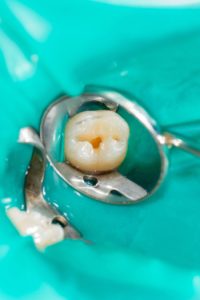
When people talk about “white stuff” at the extraction site, they usually refer to what’s called granulation tissue. Granulation tissue is a normal part of the healing process. It is made up of new blood vessels, white blood cells, and connective tissue that work to rebuild the empty tooth socket and form new gum tissue.
Granulation tissue can look white, yellowish, or even grey. It helps close the wound and prevents bacteria or food particles from getting deep into the extraction site. Sometimes, bits of this fragile tissue can break off or be dislodged.
If you are not experiencing severe pain, a foul smell, or an unpleasant taste in your mouth, it’s usually nothing to worry about if a bit of this white material falls out.
How Granulation Tissue Works: Your Body’s Little Builder
Think of granulation tissue as your body’s construction crew. After a tooth extraction, your mouth sends healing cells and tiny blood vessels to rebuild the area. This white stuff is a mix of these healing cells, new blood vessels, and collagen fibres.
It acts like a scaffold to rebuild the gums and protect the underlying bone. If a small piece of it comes away, but you’re feeling no pain and the area looks healthy, it’s typically part of the normal healing cycle.
What If the Blood Clot Falls Out?
Unlike granulation tissue, the initial blood clot is critical to protecting the exposed bone and nerves underneath. If this clot falls out, especially in the first few days, you can develop a dry socket, which is extremely painful and leaves the extraction site exposed.
Signs of dry socket include:
- Severe pain radiating from the extraction site
- A bad taste in your mouth
- Visible bone in the socket
- Pain that worsens rather than improves
- Mouth bleeding that seems persistent
If you notice these symptoms, contact your dentist straight away.
Why Does Granulation Tissue Sometimes Fall Out?
The tooth extraction healing site is quite fragile, particularly in the first week after a tooth is pulled. Eating hard or crunchy foods, accidentally poking the site with your tongue, or even vigorous rinsing can dislodge this fragile tissue.
Some other reasons granulation tissue might come loose include:
- Brushing too hard near the area
- Eating foods that get trapped in the socket (like nuts or seeds)
- Drinking through a straw (the suction can disturb the healing tissue)
- Smoking, which delays healing
If the extraction site looks pink and healthy underneath, and you have no pain, your body will continue to build up new granulation tissue as part of the normal healing process.
 What Should a Normal Healing Socket Look Like?
 What Should a Normal Healing Socket Look Like?
A normal healing socket will usually have a whitish or yellowish covering in the first days. This is the granulation tissue doing its job. Over the coming weeks, the tissue matures and is gradually replaced by new gum tissue, and then bone fills in the tooth socket below.
It’s common to see a mix of colours in the extraction area, including pink from new blood vessels, white from granulation tissue, and sometimes a pale yellow scab-like appearance. This is all part of your body’s response to healing.
How Long Does Healing Take After a Tooth Extraction?
The timeline for healing varies depending on the tooth extracted, how complex the extraction was, and your general health.
Generally, you can expect:
First 24–48 hours: A blood clot forms, and swelling begins
First 3–7 days: Granulation tissue covers the socket, and swelling starts to reduce
1–2 weeks: The gum tissue closes over the socket
6–8 weeks: The bone underneath begins to fully fill in
If your wisdom teeth were removed, the healing process can take a little longer because the wound is bigger and deeper.
How to Support Proper Healing After a Tooth Extraction
Here are some simple, dentist-approved tips to help keep your extraction site healing properly:
- Eat softer foods, like soup, scrambled eggs, or mashed vegetables
- Gently rinse your mouth with warm salt water after the first 24 hours
- Avoid spicy foods that may irritate the healing site
- Do not smoke, as this can hinder healing
- Practise good oral hygiene, but be gentle around the extraction area
- Keep up with your dental care follow-up visits
If you follow these tips, you will help protect the fragile granulation tissue and support your body’s natural healing process.
When to See Your Dentist About the White Stuff Falling Out
While granulation tissue loss is often harmless if you have no pain, there are times you should check with your dentist:
- If you see exposed bone in the socket
- If you develop severe pain that radiates to your ear or jaw
- If you notice a lingering foul taste in your mouth
- If you see pus or suspect signs of infection
- If your mouth is bleeding and doesn’t stop
It’s always better to be safe and ask your dentist if you are worried. They can examine the healing socket and let you know if it’s normal or needs treatment.
Can You Prevent Granulation Tissue from Falling Out?
While you can’t always control how fragile this tissue is, you can protect it by following post-extraction instructions.
- Stick to a soft food diet
- Avoid using straws
- Rinse gently, not forcefully
- Keep your tongue away from the extraction site
These simple steps make a big difference in letting the fragile tissue stay in place until stronger new gum tissue forms.
The Difference Between Granulation Tissue and Infection
Sometimes, people confuse normal granulation tissue with infection, especially if they see a white or yellowish coating.
Here’s how to tell the difference:
Granulation tissue usually causes little to no discomfort and does not have a bad smell
Infection is often painful, causes swelling, gives off an unpleasant taste, and may cause gum inflammation
If in doubt, your dentist can tell by examining the healing site.
Your Takeaway: Trust the Healing Process
 Your Takeaway: Trust the Healing Process
It can be worrying to see white stuff fall out of your tooth extraction site, but if there is no pain, chances are it is simply granulation tissue coming loose. This is a normal part of how your body rebuilds after a tooth has been extracted.
As long as there is no severe pain, bad smell, or other concerning symptoms, your mouth is probably healing as it should. However, never hesitate to check with your dentist if you feel unsure that’s what they’re there for.
Final Thoughts
Tooth extraction, white stuff fell out, no pain? It sounds worrying, but in most cases, it’s simply a sign of the normal healing process. This white material is usually granulation tissue, a protective, healing tissue that forms after a tooth has been extracted to rebuild the socket. As long as you do not have severe pain, foul taste, or swelling, there is generally no cause for alarm if a small piece of this tissue comes away.
If you’re still unsure, getting advice from a trusted dental clinic serving the Kingston area can help confirm that healing is on track. For any concerns, book an appointment with Total Care Dental Studio at (07) 3186 8517. They will be happy to reassure you and check the healing site so you can smile with confidence again.
Note: Any surgical or invasive procedure carries risks. Before proceeding, you should seek a second opinion from an appropriately qualified health practitioner.
References
- ScienceDirect. (n.d.). Granulation tissue. ScienceDirect. https://www.sciencedirect.com/topics/medicine-and-dentistry/granulation-tissue
- Cleveland Clinic. (n.d.). Dry socket (alveolar osteitis). Cleveland Clinic. https://my.clevelandclinic.org/health/diseases/17731-dry-socket
- Healthline. (n.d.). Tooth extraction: procedure, healing, and recovery. Healthline. https://www.healthline.com/health/tooth-extraction