
Choosing how to replace missing teeth is not always straightforward. Some people lose a single tooth, while others lose several, and many still have healthy teeth they want to keep. A partial denture is designed for these situations, where replacement is needed without starting from scratch.
Rather than creating a full set of artificial teeth, a partial denture fills selected gaps and works alongside natural teeth. This guide looks at how partial dentures are used, the design options available, how they compare with other treatments, and what living with one is usually like over time. The aim is to help you understand whether this approach suits your daily life and long-term oral health.
Role of Partial Dentures in Tooth Replacement
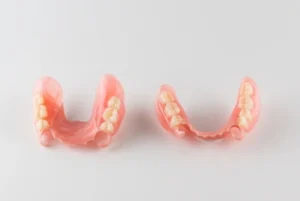 A partial denture is used to replace missing teeth in a mouth that still contains natural teeth. Instead of forming a complete row of artificial teeth, it is designed to fit into selected spaces and work alongside the teeth that remain.
Replacement teeth are shaped to match the surrounding teeth and attached to a base that sits against the gums. This base is supported by nearby teeth or structures in the jaw, helping keep the denture in position during normal activities such as eating and speaking.
Partial dentures are often chosen because they allow missing teeth to be replaced without removing healthy ones. They are commonly used after tooth loss caused by decay, injury, or gradual wear, and they can help reduce the tendency for neighbouring teeth to move into empty spaces.
How Partial Dentures Work With Your Teeth
A partial denture is shaped to sit alongside natural teeth and rest against the gums. It is supported by nearby teeth using clasps or attachments that help keep it in position.
By filling the spaces left by missing teeth, the denture helps spread chewing pressure more evenly across the mouth. This can make eating and speaking feel more balanced.
At first, a partial denture may feel unfamiliar or slightly loose. This is a normal part of adjustment. With proper fitting and follow-up care, most people find that their denture becomes stable and comfortable over time.
Common Materials in Partial Denture Design
Partial dentures use different materials chosen for comfort, strength, and appearance. The base is often made from plastic or acrylic so it can rest against the gums and support the artificial teeth. Some designs include metal to improve durability and help the denture keep its shape over time.
Flexible materials may be used in certain cases to provide a softer feel in the mouth. Clasps or attachment points are shaped to hold the denture in place while staying as discreet as possible.
The overall design aims to balance comfort, stability, and a natural appearance.
What Happens When Teeth Are Not Replaced
When missing teeth are not replaced, changes can occur throughout the mouth over time. Spaces between teeth can influence how the remaining teeth sit and how the bite comes together.
These changes may include:
- Movement of nearby teeth into open spaces
- Altered bite position
- Extra strain on certain teeth
- Jaw discomfort
- Subtle changes in facial shape
By filling the spaces left by tooth loss, partial dentures help restore balance within the mouth. They support more even pressure during chewing and help protect the surrounding teeth and jaw from uneven stress over time.
How Partial Dentures Are Designed for Different Needs
Partial dentures can be designed in several ways depending on how many teeth are missing, where those spaces are located, and how much support is available from the remaining teeth.
 Some designs are made to be removable, allowing the denture to be taken out for cleaning and rest. These are commonly used because they are flexible in daily use and do not require permanent changes to healthy teeth. Support is usually provided by clasps that fit around nearby teeth.
Other designs use softer, flexible materials that allow the denture to bend slightly as it is placed in the mouth. These designs may feel lighter and can be helpful for people with sensitive gums. They are often shaped to blend closely with the natural colour of the gum tissue and may avoid visible metal components.
More rigid designs use a thin metal framework to provide strength and long-term stability. This allows the denture to remain slim while still supporting replacement teeth securely, which can be useful when durability is important.
In certain situations, a partial denture may be fixed in place rather than removable. This design is supported by crowns placed on neighbouring teeth, which hold the replacement teeth between them. While this can feel more like natural teeth, it requires more preparation of the supporting teeth.
Partial dentures may also be used as a temporary solution in some cases, such as during healing or while planning another form of treatment. In these situations, they help maintain appearance and function until the next stage of care is ready.
Choosing Between Tooth Replacement Options
Partial dentures are one option among several for replacing missing teeth. Looking at how they differ from other common treatments can make it easier to understand where they may fit within a treatment plan.
Partial Dentures and Dental Implants
Dental implants replace missing teeth by placing a support post into the jawbone, which then holds a crown or other restoration. Implants can provide strong stability, but they usually involve surgery, a healing period, and higher overall costs.
Partial dentures, by contrast, are generally non-surgical and can replace more than one missing tooth within a single appliance. They are suitable for many patients and are often chosen when comfort, medical considerations, or budget play a role in decision-making.
Partial Dentures and Fixed Bridges
A fixed bridge restores missing teeth by attaching replacement teeth to crowns placed on neighbouring teeth. This approach can feel secure, but usually requires reshaping healthy teeth to support the bridge.
Partial dentures may be preferred by people who want a less invasive option that avoids permanent changes to surrounding teeth while still restoring function and appearance.
Getting Used to Wearing a Partial Denture
Wearing a partial denture is a skill that develops with use. In the early stage, speaking, chewing, and positioning the denture may require more attention than usual. Small changes in tongue movement and bite control are common while habits adjust.
Focusing on how the denture feels during normal activities can make the adjustment smoother. Noticing balance while chewing, clarity when speaking, and how the denture settles into place can help you recognise whether the fit feels stable or needs review.
Most people develop confidence with daily use as their coordination and awareness improve.
How Gums and Jawbone Respond to Partial Dentures
Partial dentures help maintain spacing between teeth, which supports bite balance and jaw alignment. However, they do not replace the tooth root.
Because of this, dentures do not stimulate the bone in the same way as implants. Over time, areas of the jaw where teeth are missing may experience gradual changes.
Healthy gums are essential for denture comfort and stability. Poor gum health can lead to irritation, movement, or soreness under the denture base.
Living With Partial Dentures Day to Day
Once adjusted, most patients find partial dentures fit well into daily routines. They support chewing, speaking, and confidence when smiling.
Dentures may need occasional adjustments as the mouth changes over time. Regular dental visits help ensure ongoing comfort and function.
Planning Your Partial Denture Treatment
The cost of a partial denture is not fixed and is worked out based on individual needs. This is because each denture is planned according to how many teeth need replacing, the style of denture chosen, the materials involved, and how detailed the overall design must be.
Options such as removable, flexible, metal, or fixed designs can influence both the treatment process and the final cost. The level of complexity involved in fitting and preparing the denture also plays a role.
Before treatment begins, a dentist will outline the proposed plan and explain the expected costs. For many people, partial dentures offer a practical way to restore function and appearance while remaining accessible as a treatment option.
Oral Hygiene and Daily Care
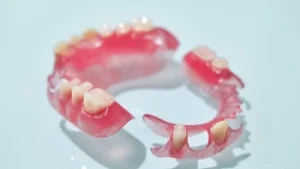 Maintaining good oral hygiene is important when wearing a partial denture. Both the denture and the natural teeth need to be cleaned each day to help reduce plaque build-up and irritation.
The denture should be taken out for cleaning so all areas can be reached properly. Natural teeth and gums should be brushed gently with a soft toothbrush, especially around the teeth that support the denture and along the gum line where the denture rests. Clasps and denture surfaces also need careful cleaning, as food and plaque can collect in these areas.
In many cases, removing the denture overnight allows the gums to rest and recover from daily pressure. Consistent care supports the health of the gums and remaining teeth and helps maintain overall oral health.
Final Thoughts
So, what is a partial denture? It is a practical, adaptable way to replace missing teeth while preserving natural ones. Partial dentures help restore function, support oral health, and improve comfort and confidence for many patients.
With the right design, materials, and ongoing care, partial dentures can be a reliable part of long-term dental treatment. Speaking with a dentist can help you decide which option best suits your mouth, lifestyle, and treatment goals.
If you’re concerned about missing teeth or want to understand whether a partial denture could suit your comfort, appearance, and long-term oral health, a personalised discussion can help. You can book a consultation with us at Total Care Dental Studio or call (07) 3186 8517 to talk through your options in a calm, supportive way.
Resources
Colgate Oral Care Center (2023). ‘What Is Good Oral Hygiene?’. Colgate, 9 January. New York, NY: Colgate-Palmolive Company.
https://www.colgate.com/en-us/oral-health/adult-oral-care/what-is-good-oral-hygiene
Mayo Clinic Staff (2024). ‘Dental Implant Surgery’. Mayo Clinic, 23 October. Rochester, MN: Mayo Foundation for Medical Education and Research.
https://www.mayoclinic.org/tests-procedures/dental-implant-surgery/about/pac-20384622
Cleveland Clinic Editorial Team (2023). ‘Cavities’. Cleveland Clinic, last reviewed 27 March. Cleveland, OH: Cleveland Clinic Foundation.
https://my.clevelandclinic.org/health/diseases/10946-cavities